Source Micro Flatbed Cargo Truck with Railing for Construction
Compare 30 micro flatbed cargo truck with railing options from verified Chinese manufacturers. Buyers can evaluate specifications like load capacity, engine type, and dimensions for warehouse, workshop, and construction site applications; compare the available evidence and request quotations based on your requirements.
Key considerations
Products List




Comprehensive Sourcing Guide
Micro Flatbed Cargo Truck with Railing Sourcing Guide
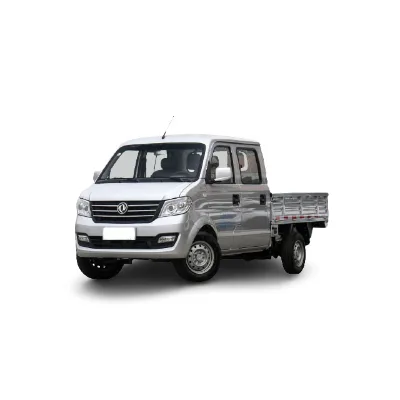
Buyers seeking micro flatbed cargo trucks with railings must first distinguish between general transport units and specialized industrial transfer carts, as the supplied data reveals a mix of heavy-duty road vehicles and stationary material handling equipment. The observed product range includes Dongfeng flatbed trucks with towing capacities up to 30 tons, alongside smaller transfer carts designed for warehouse and workshop applications with rail compatibility ranging from P24 to P60. This distinction is critical because a vehicle intended for highway transport with Euro diesel emission standards requires different verification protocols than a battery-powered cart used for internal logistics.
Procurement teams should prioritize the specific drive type and cab configuration to ensure the unit matches the intended operational environment. The market data indicates options for 4×2, 6×2, and 8×4 drive configurations, as well as single or double cab setups, which directly impact maneuverability and crew capacity. For facilities requiring internal movement, the availability of AC or battery power sources and customizable dimensions like 5×2 meters suggests a need to verify if the unit is a self-propelled road vehicle or a rail-guided transfer cart before finalizing the purchase order.
Product Scope and Observed Listing Signals
The observed product listings demonstrate a wide variance in load capacity, ranging from 1 to 10 tons for standard trucks to 1-300 tons for heavy industrial transfer carts, necessitating a clear definition of the required payload. Buyers must carefully examine the listed dimensions, such as the 6520×2290×2540 mm specification for certain models, to ensure the vehicle fits within their facility's loading bays or road clearance limits. The presence of high-strength steel flatbeds with anti-slip flooring is a consistent feature, but the specific railing configuration must be confirmed against the P24-P60 rail compatibility data provided for industrial units.
Listing signals also reveal significant differences in packaging and origin, with some units shipped naked from Hubei and others in containers or wood boxes from Shandong. This variation affects the total landed cost and the condition of the equipment upon arrival, particularly for sensitive components like the air brake systems or leaf spring suspensions. Buyers should verify whether the "naked packaging" option applies to the specific model they are sourcing, as this influences the need for additional protective measures during transit and the potential for cosmetic damage to the white or customized color finishes.
Technical Specifications to Verify
Technical verification must begin with the engine and transmission systems, as the data lists optional brands like Weichai, Yuchai, and Cummins with horsepower ratings below 150 hp or between 150-250 hp. Procurement teams should confirm the exact engine brand and horsepower output required for their specific terrain and load requirements, ensuring the diesel engine meets the necessary Euro fuel emission standards for the target market. The transmission type is listed as manual, which requires the operator to have specific training, and the drive wheel configuration must match the intended road or rail conditions.
Suspension and braking systems are equally critical for safety and durability, with leaf spring suspension and air brake systems being standard features across the observed models. Buyers need to verify the optional ABS availability, as this safety feature significantly impacts stopping distance and control, especially when carrying loads near the 30-ton towing capacity limit. Additionally, the tire size options ranging from 8.25r20 to 12.00r20 must be selected based on the load distribution and the specific surface conditions of the operating environment to prevent premature wear or failure.
Compliance and Safety Documentation
Compliance verification requires checking for ISO certifications, as the data explicitly mentions ISOCCC for general products and ISO for tire certification, alongside ISO9001:2000 standards for manufacturing processes. Buyers should request the specific certificate documents to confirm that the supplier adheres to these quality management systems, which are essential for ensuring consistent production quality and safety. The presence of these certifications indicates a baseline level of regulatory adherence, but the buyer must ensure the specific unit model carries the relevant documentation for the destination country's import regulations.
Safety documentation must also cover the braking and steering systems, particularly the distinction between left-hand and right-hand drive configurations required for different regions. The air brake system and optional ABS must be accompanied by test results or compliance certificates that verify their effectiveness under full load conditions. For industrial transfer carts, the power source, whether AC or battery, requires safety data sheets and electrical compliance certificates to ensure they meet local electrical codes and workplace safety standards for warehouse and construction site environments.
Cost Drivers and Commercial Terms
Cost drivers in this category are heavily influenced by the customization options available, such as color choices including yellow, red, blue, and gray, as well as the ability to customize dimensions for specific rail or road applications. Buyers should anticipate that OEM support and custom manufacturing will increase the unit price compared to standard models, and the MOQ of 1 allows for small batch testing but may affect the per-unit cost structure. The choice of engine brand, such as Cummins versus Weichai, also introduces price variability that must be factored into the total budget alongside the shipping method, whether naked packaging or containerized.
Commercial terms must clearly define the warranty period, which is observed as 1 year for certain models, and the scope of coverage for critical components like the engine and transmission. Buyers should negotiate terms that cover the lead time and the specific origin location, whether Hubei or Shandong, as these factors influence shipping costs and delivery schedules. The loading capacity, ranging from 4 tons to 300 tons, directly correlates with the price, so procurement teams must align the budget with the exact load requirements to avoid overpaying for unnecessary capacity or under-specifying for heavy industrial tasks.
Supplier Qualification and Quality Control
Supplier qualification should focus on verifying the production origin and the specific manufacturing standards, such as the 900024503200 standard dimensions or the ISO9001:2000 certification mentioned in the data. Buyers must confirm that the supplier has a proven track record in producing flatbed trucks or transfer carts with the specific drive types and engine configurations required. The presence of OEM support indicates the supplier's ability to adapt products, but this capability must be validated through past performance records and references from similar projects in warehouse or construction sectors.
Quality control protocols must include a rigorous inspection of the flatbed material, which is specified as high-strength steel, and the integrity of the anti-slip floor. Buyers should request pre-shipment inspection reports that verify the condition of the leaf spring suspension and the functionality of the air brake system before the unit leaves the factory. For units with optional features like ABS or specific color finishes, the quality control process must ensure these additions do not compromise the structural integrity or the overall performance of the vehicle during operation.
Long-Term Procurement Checks
Long-term procurement checks should prioritize the availability of spare parts and the durability of the suspension and braking systems under continuous operation. Buyers need to establish a maintenance schedule that accounts for the specific tire sizes and engine brands selected, ensuring that replacement parts are readily available from the supplier or authorized distributors. The 1-year warranty period provides an initial safety net, but the long-term viability of the fleet depends on the supplier's ability to support the equipment beyond this period with reliable technical assistance and parts supply.
Finally, buyers must monitor the performance of the vehicle in its specific application environment, whether it is a warehouse, workshop, or construction site, to identify any recurring issues with the rail compatibility or load capacity. Regular audits of the vehicle's condition, including the flatbed material and anti-slip floor, will help extend the operational life of the asset. By maintaining a proactive approach to maintenance and supplier relationship management, procurement teams can ensure that the micro flatbed cargo trucks with railings continue to meet safety and efficiency standards over the long term.
FAQs
What is the maximum towing capacity for this flatbed truck?
The maximum towing capacity is 30 tons. This heavy-duty capability supports substantial cargo loads for industrial applications. The vehicle features a robust flatbed design made from high-strength steel to ensure durability during transport operations.
Which engine brands are available for this diesel truck?
Available engine brands include Weichai, Yuchai, and Cummins. These optional diesel engines provide reliable power for various operational needs. Buyers can select the specific brand that best fits their performance requirements and maintenance preferences.
Can the truck be customized for specific cargo needs?
Yes, customization is available for specific cargo needs. The flatbed dimensions can be adjusted, and features like anti-slip floors are included. This flexibility allows buyers to tailor the vehicle to their unique logistical requirements and safety standards.
What drive types are offered for this flatbed transport truck?
Offered drive types include 4×2, 6×2, and 8×4 configurations. These options allow for versatile performance across different terrains and load requirements. The manual transmission ensures precise control for heavy-duty hauling tasks in various operational environments.
Where are these flatbed trucks manufactured and shipped from?
These trucks are manufactured in Hubei and Shandong, China. The origin ensures access to established automotive supply chains and manufacturing expertise. Buyers can expect reliable production standards and efficient logistics for international shipping and delivery to their designated locations.
What certification standards do these trucks meet?
These trucks meet ISOCCC certification standards. This certification ensures compliance with international quality and environmental management systems. Buyers can rely on these standards for regulatory adherence and consistent product quality in global markets.